In the arrangement shown in Fig., light of wavelength 6000 Å is incident on slits S 1 and S 2 . Slits S 3 and S 4 have been opened such that S 3 is the position of first maximum above the central maximum and S 4 is the closest position where intensity is same as that of the light used, below the central maximum. The point O is equidistant from S 1 and S 2 and O′ is equidistant from S 3 and S 4 . The intensity of incident light is I 0 .
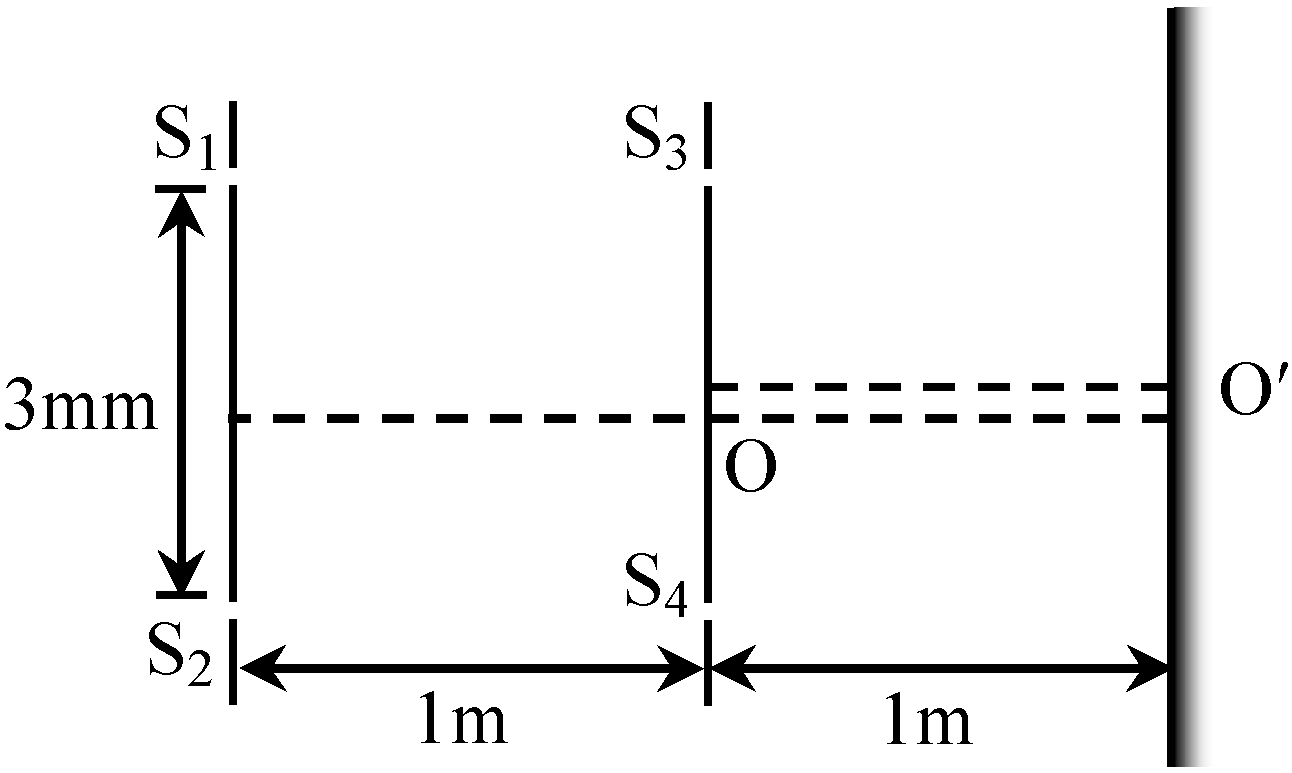
Find:
Text Solution
Verified by ExpertsCHECK THE SOLUTION.
Sol. From the given condition,
OS 3 = 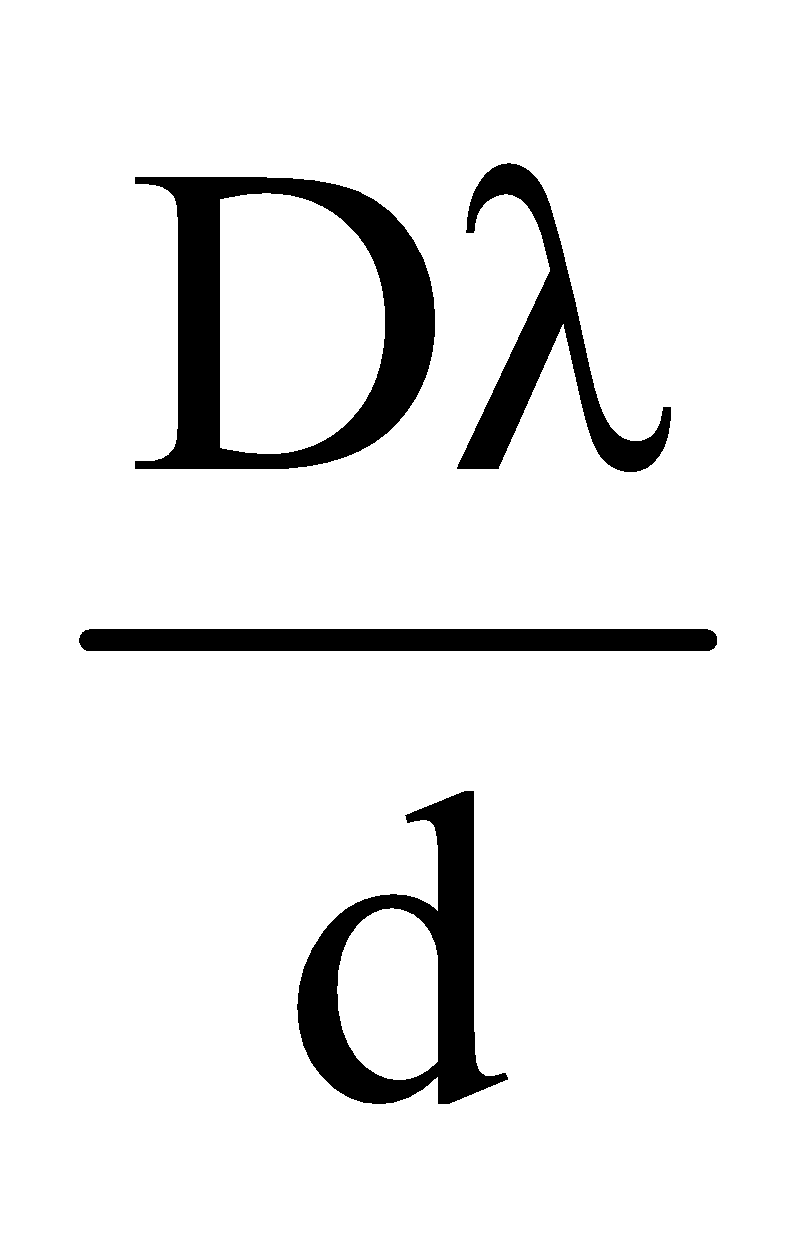 =
= 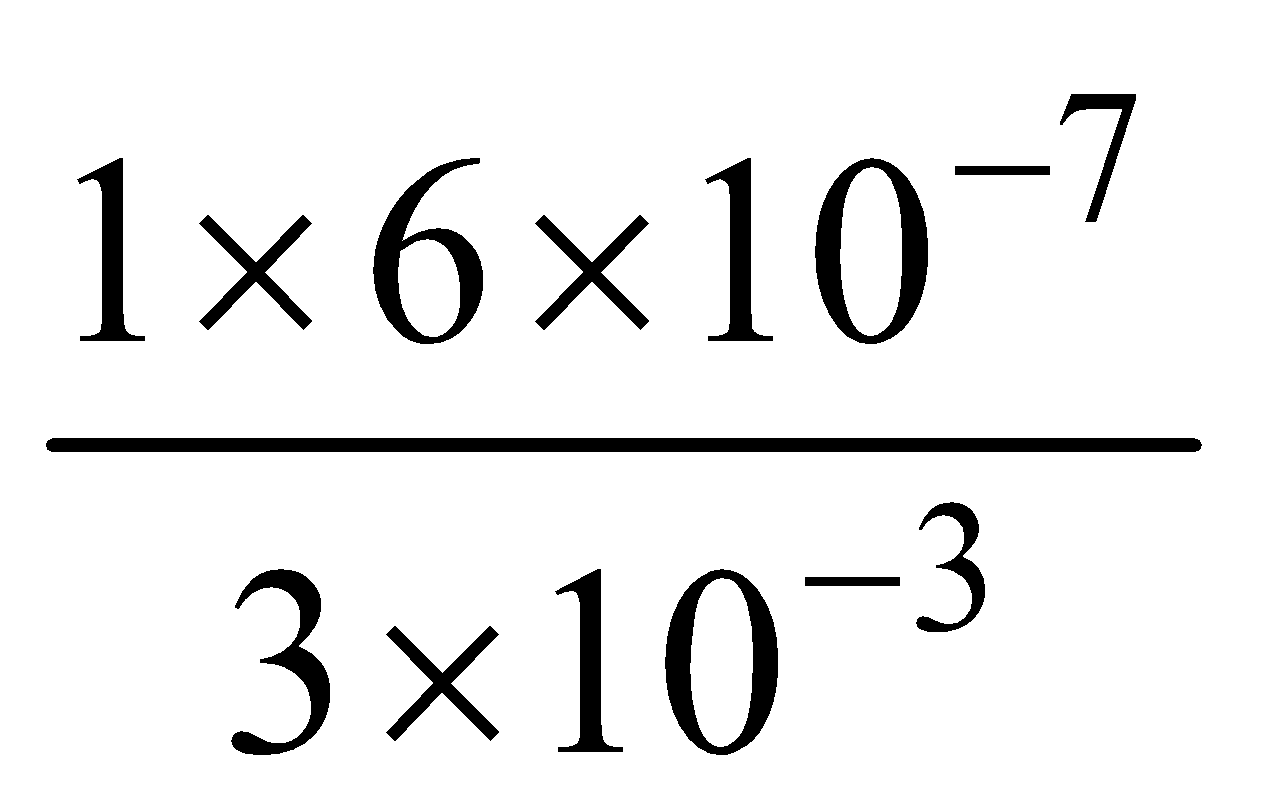 = 2 × 10 –4 m
Let light reaching from S 1 and S 2 to S 4 has phase difference φ and intensity of incident light is I 0 .
Resultant intensity at S 4 , I = 4I 0 cos 2 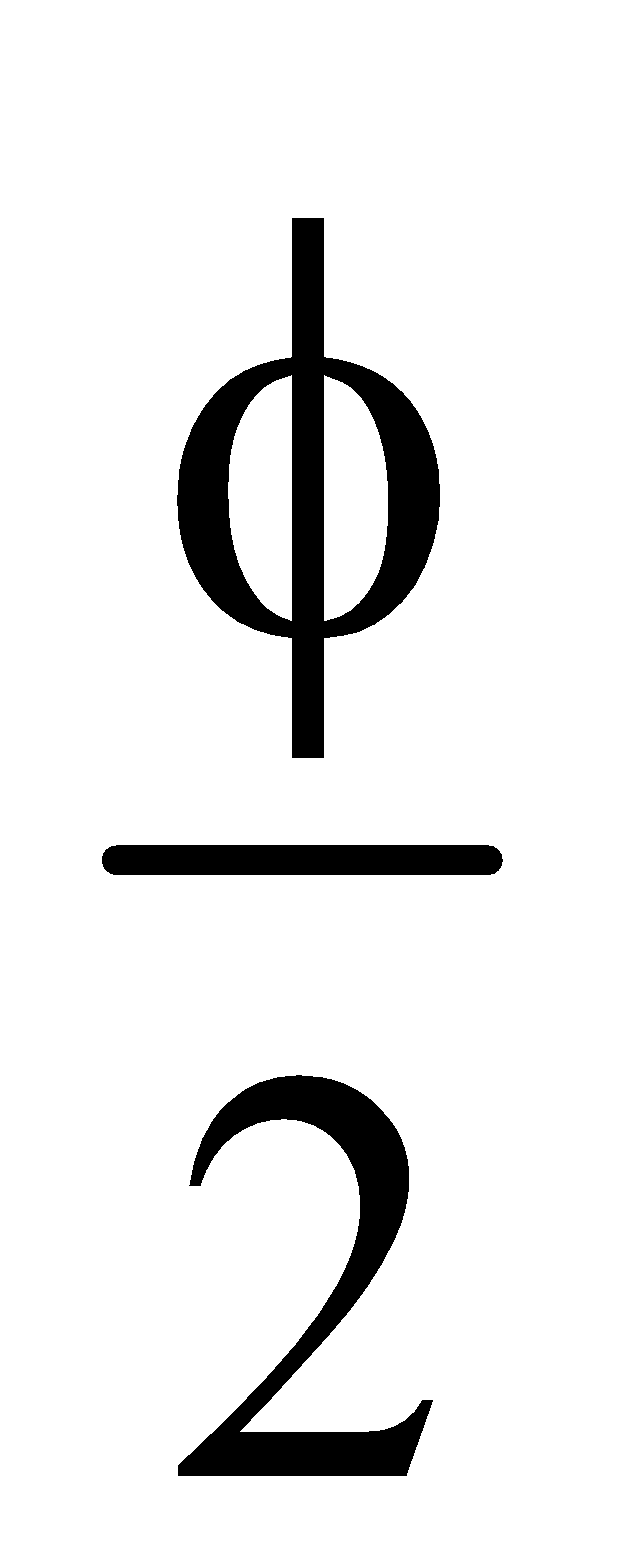
As I = I 0 ,
Hence 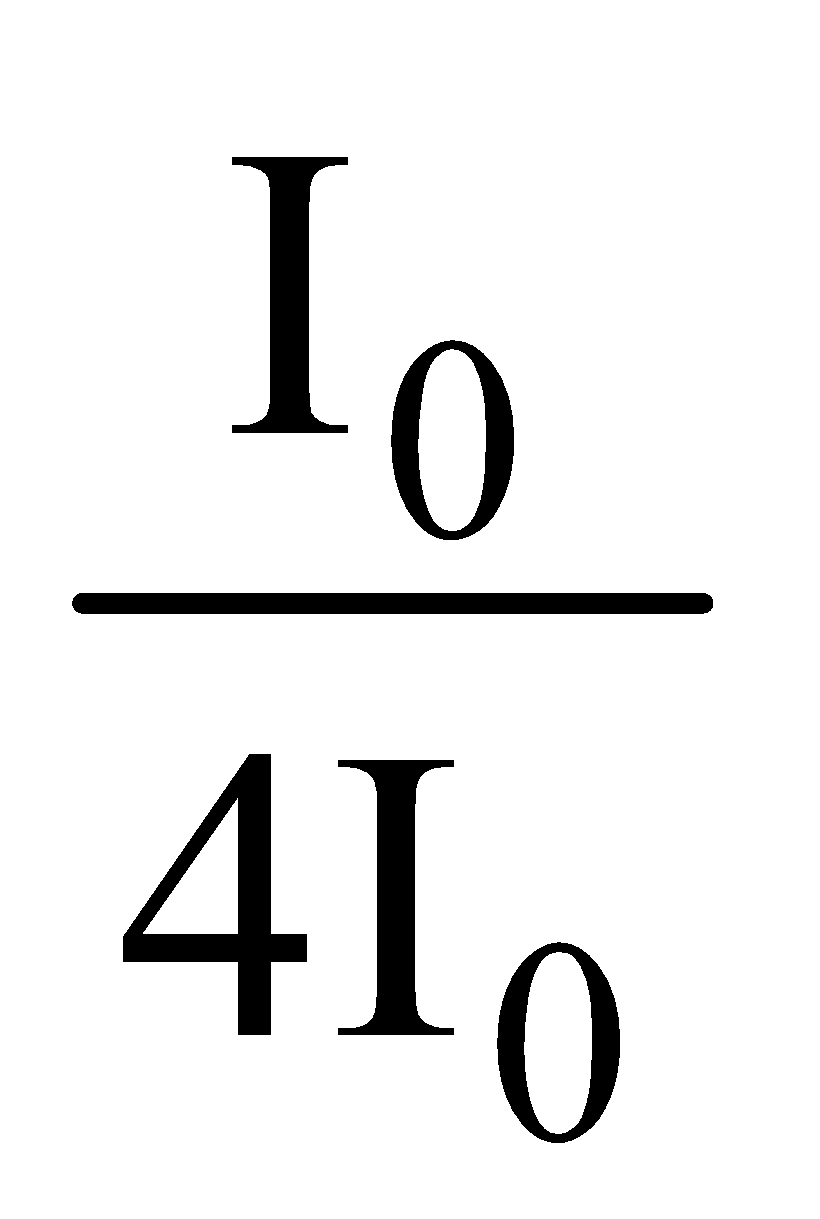 = cos 2
 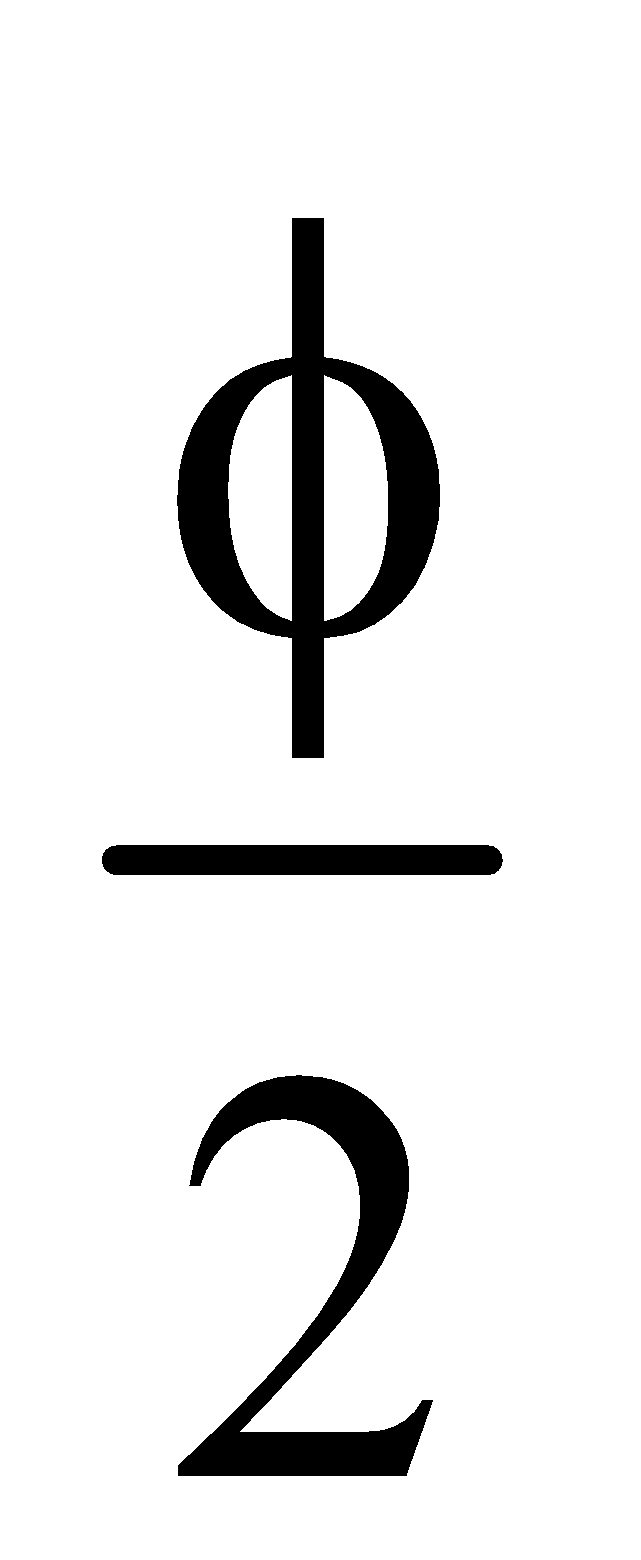 or cos
 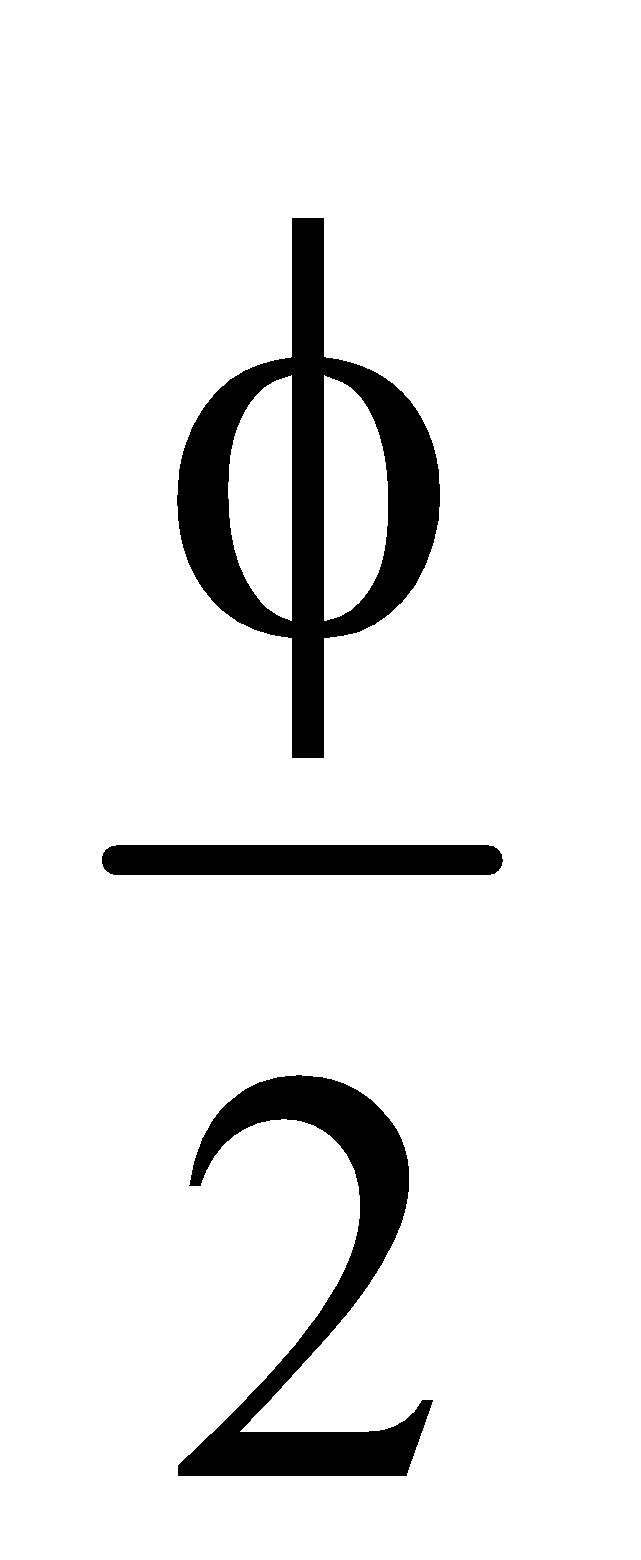 =
= 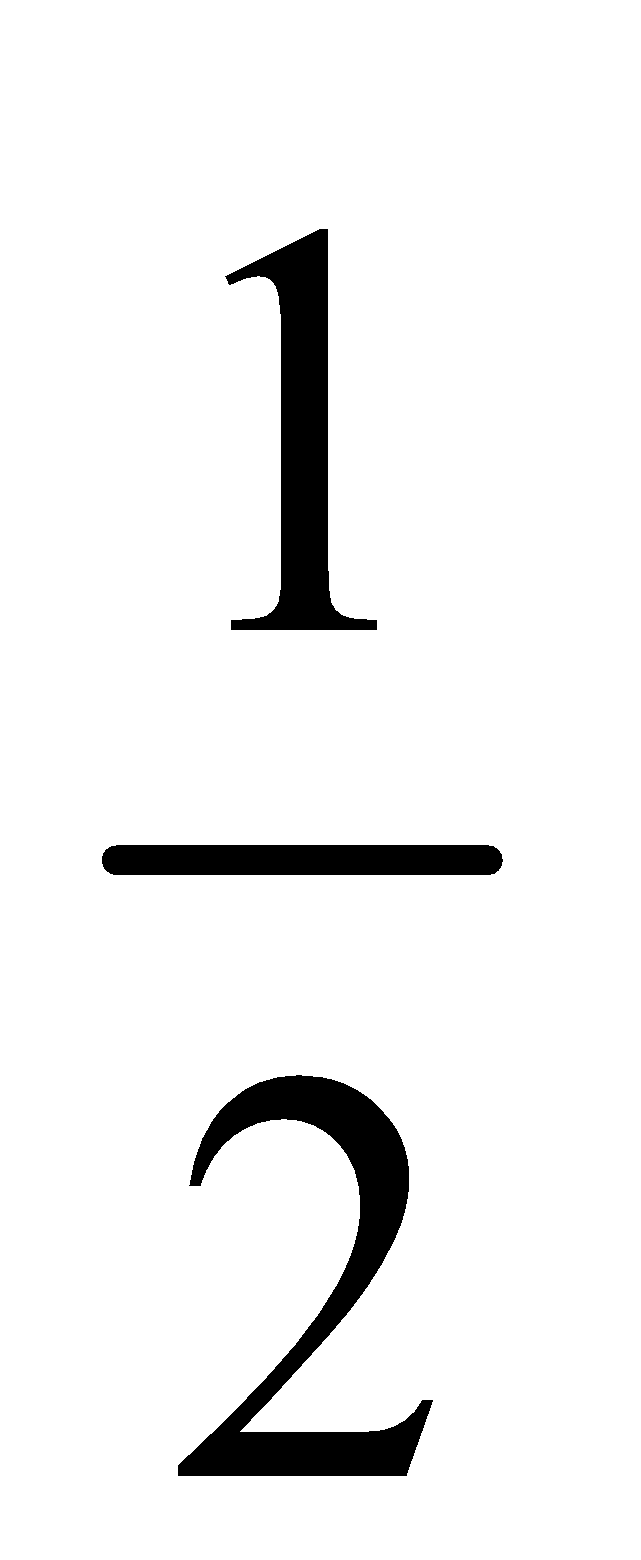 = cos 60º
or φ = 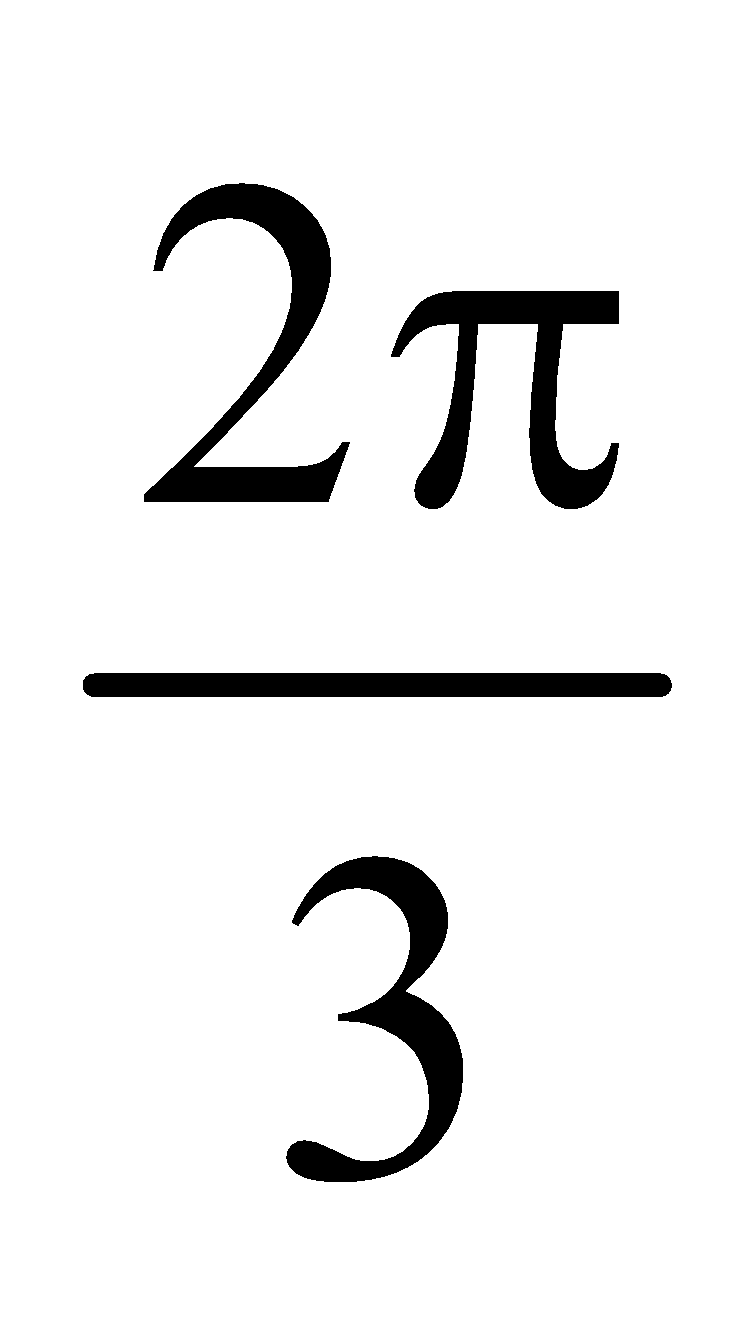
For φ = 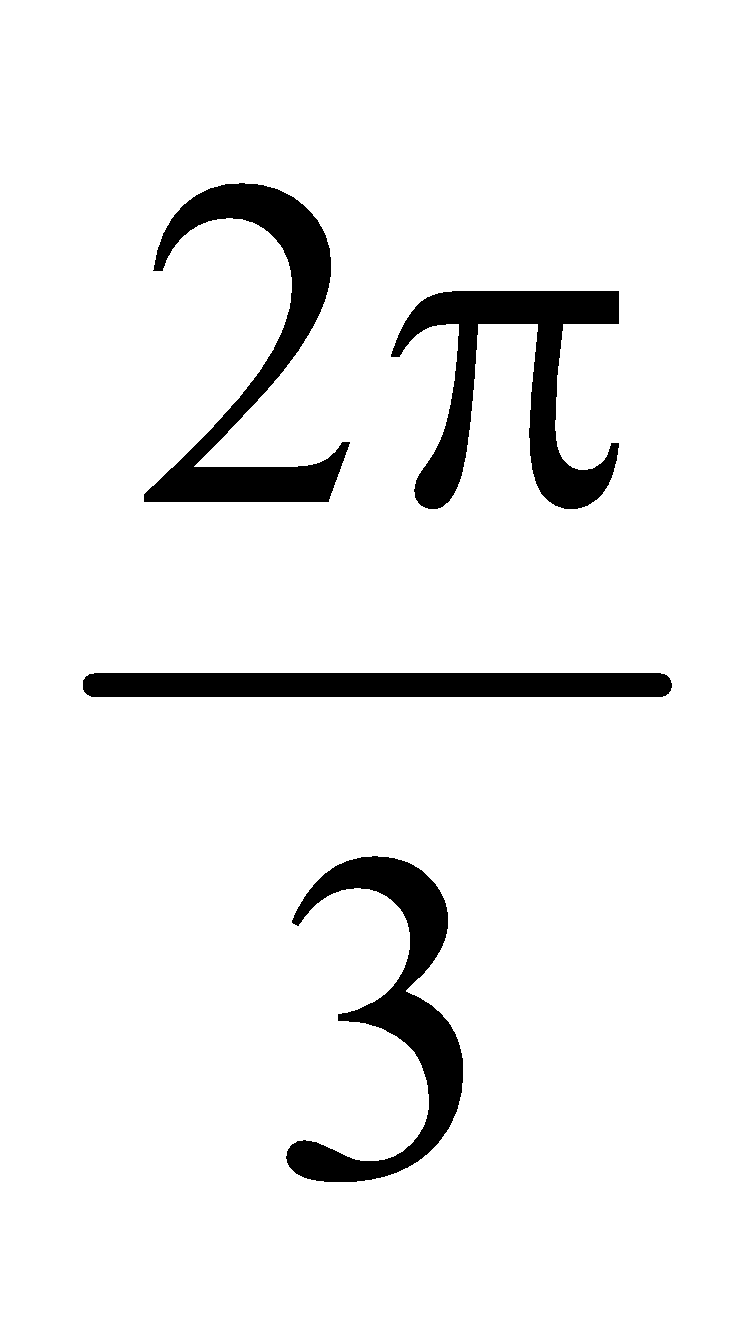 , OS 4 =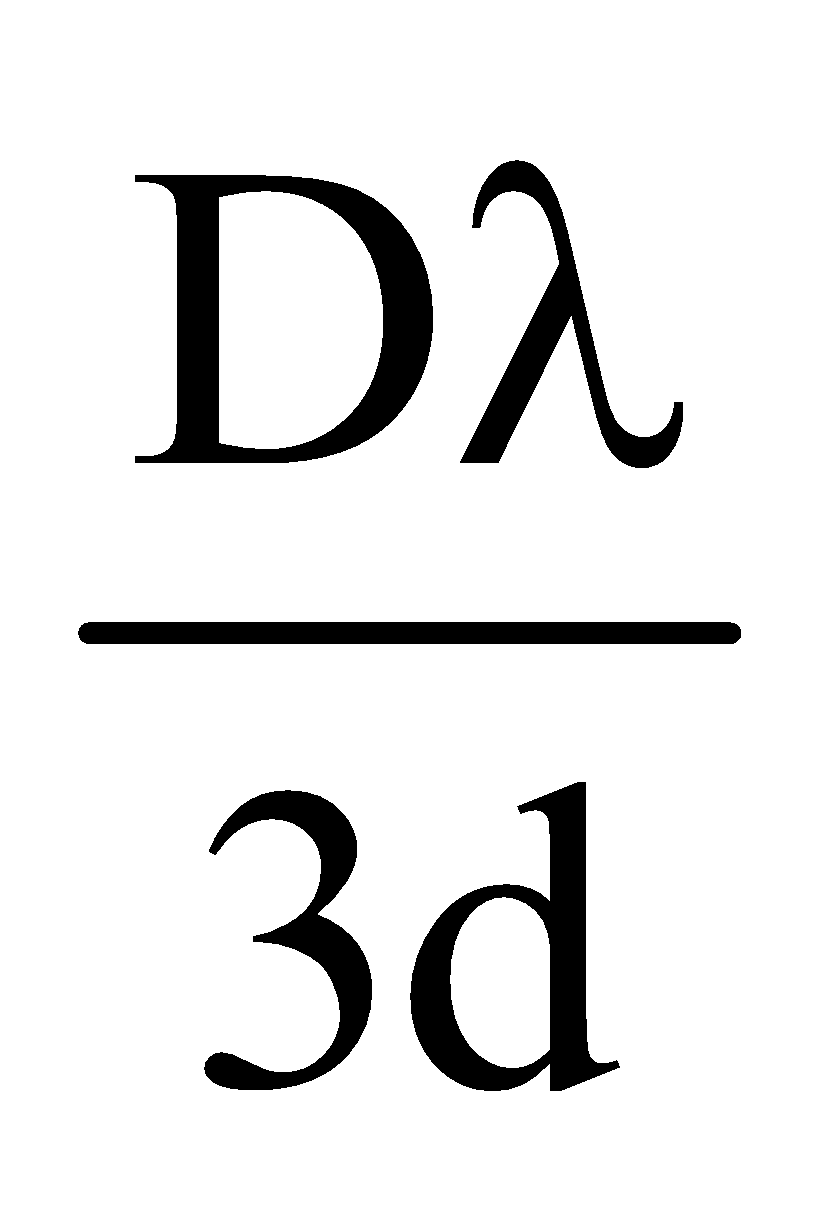
Therefore, S 3 S 4 = OS 3 + OS 4 = 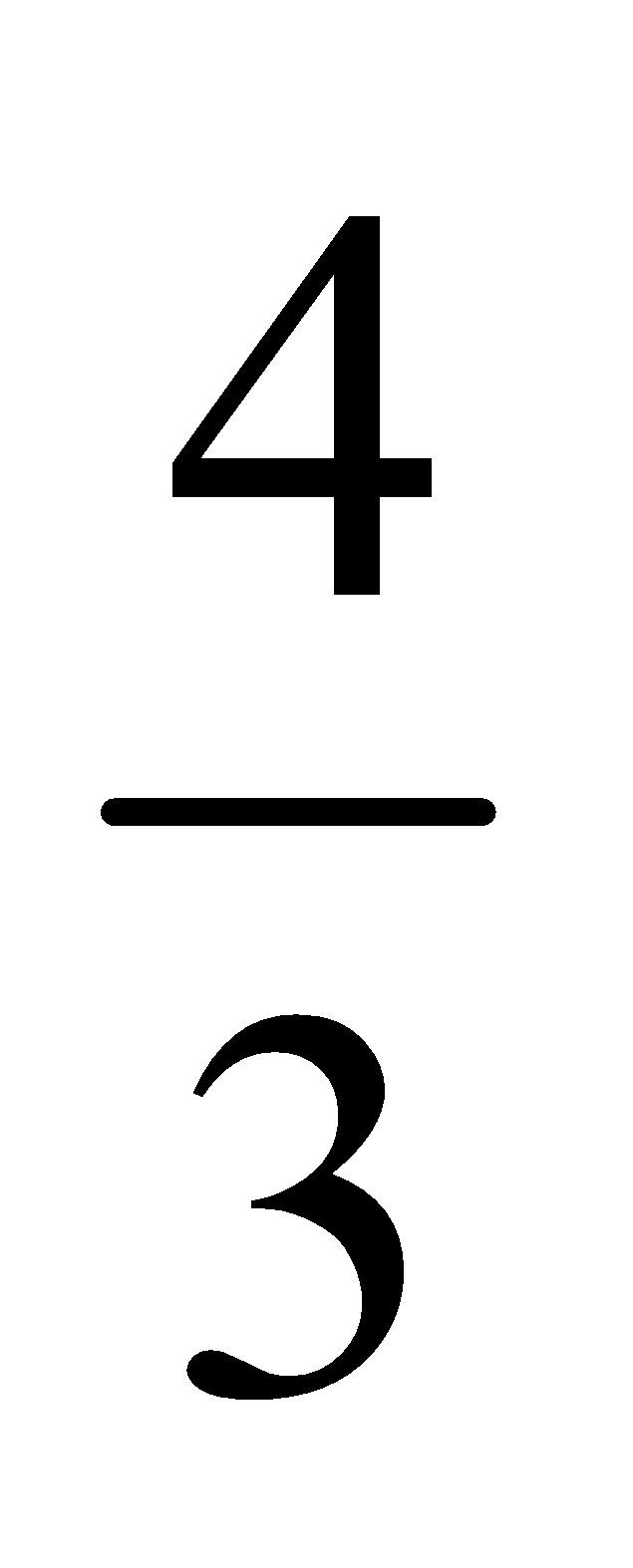
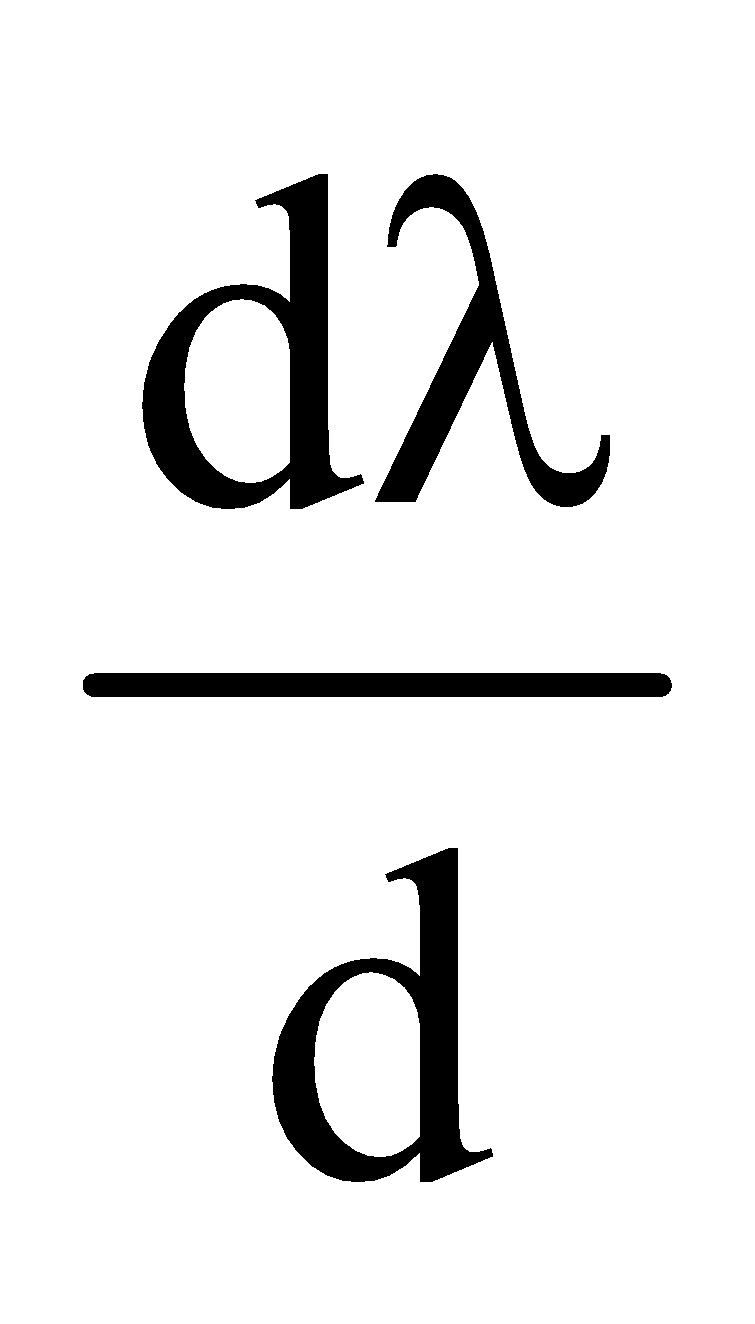 =
= 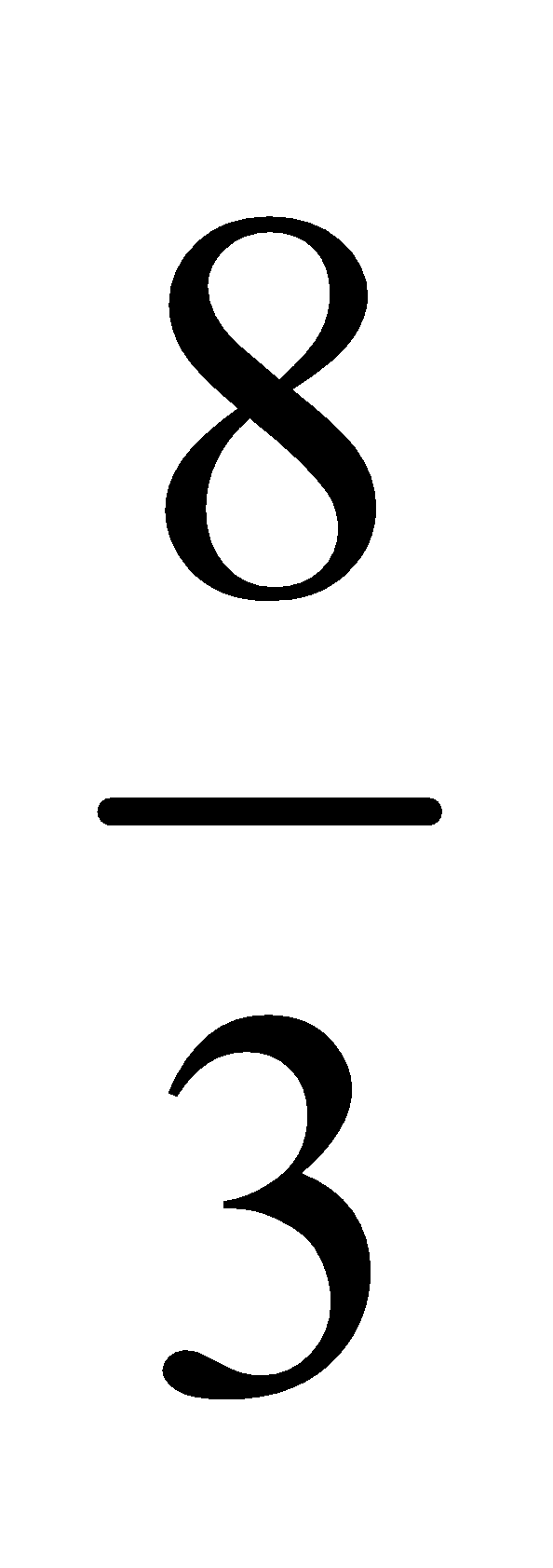 × 10 –4 m
Now resultant wave coming out of S 3 has intensity 4I 0 and waves coming out of S 4 have intensity I 0 .
Phase difference at S 3 = 2 π Phase difference at S 4 = 2 π /3. These phase differences are relative to the light incident on slits S 1 and S 2 .
Now S 3 and S 4 are secondary sources of light.
Phase difference at O′ = 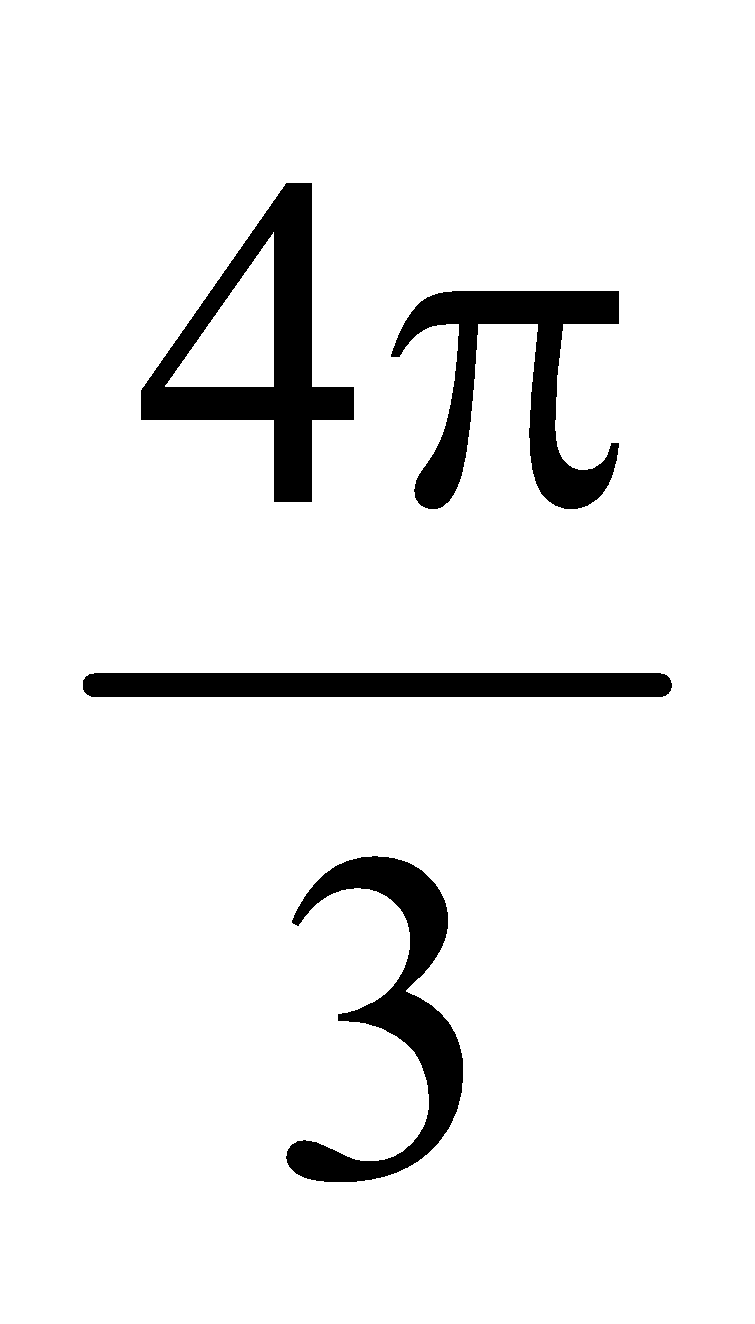 , equal to initial phase difference between the light reaching at O′ = 2 π –
 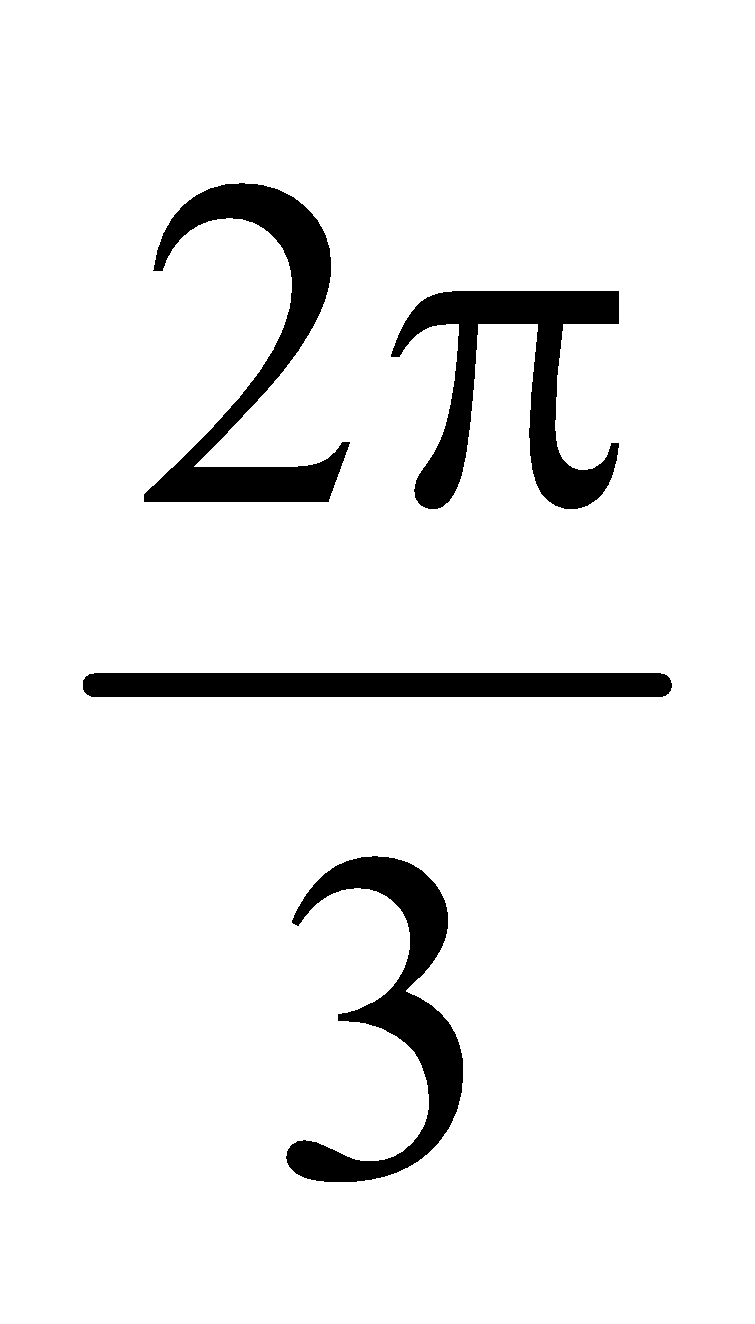 =
= 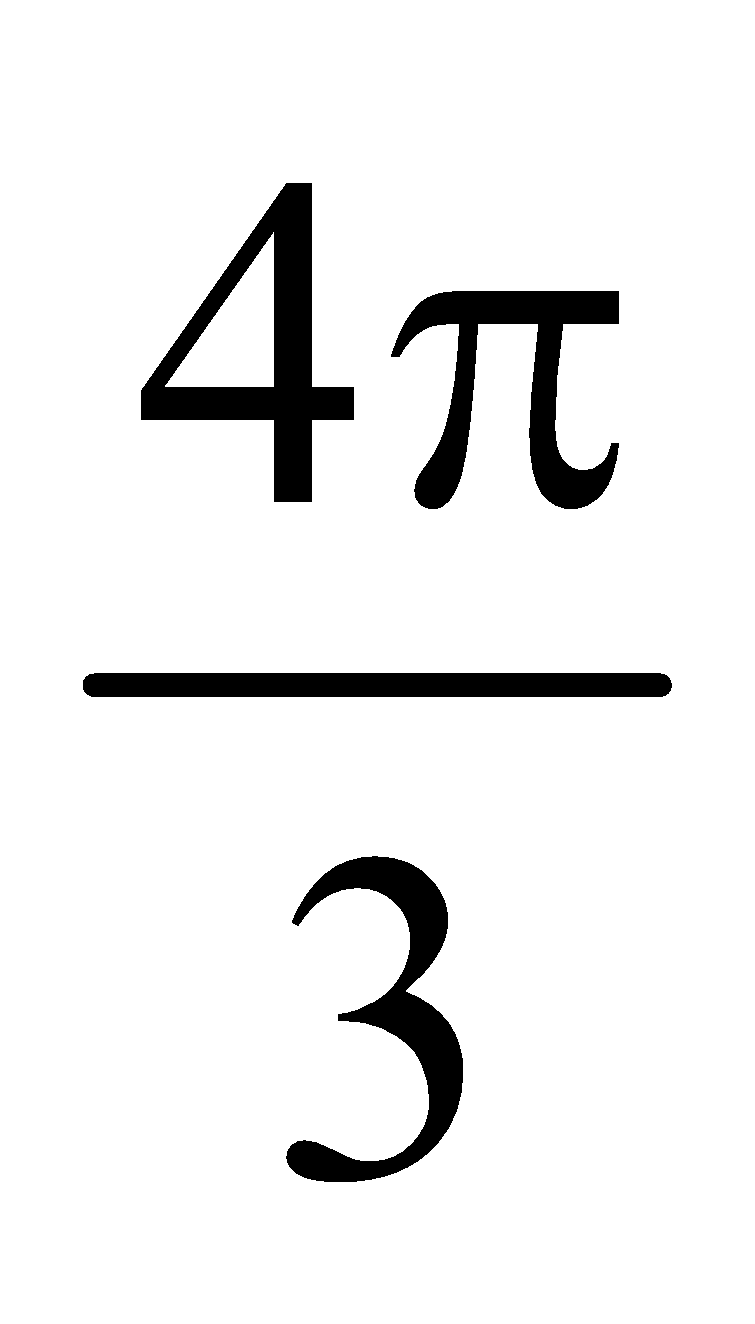 . Let intensity at O′ be I′.
I′ = I 0 + 4I 0 + 2 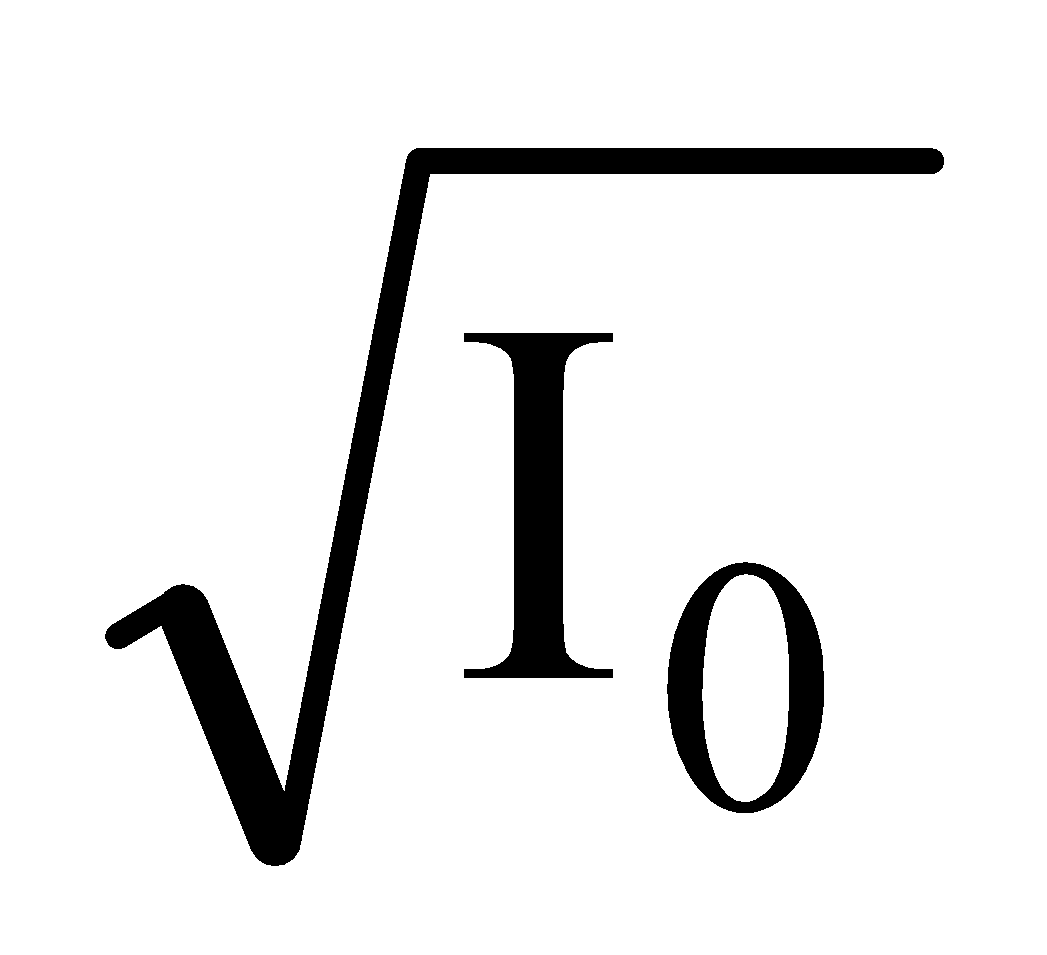
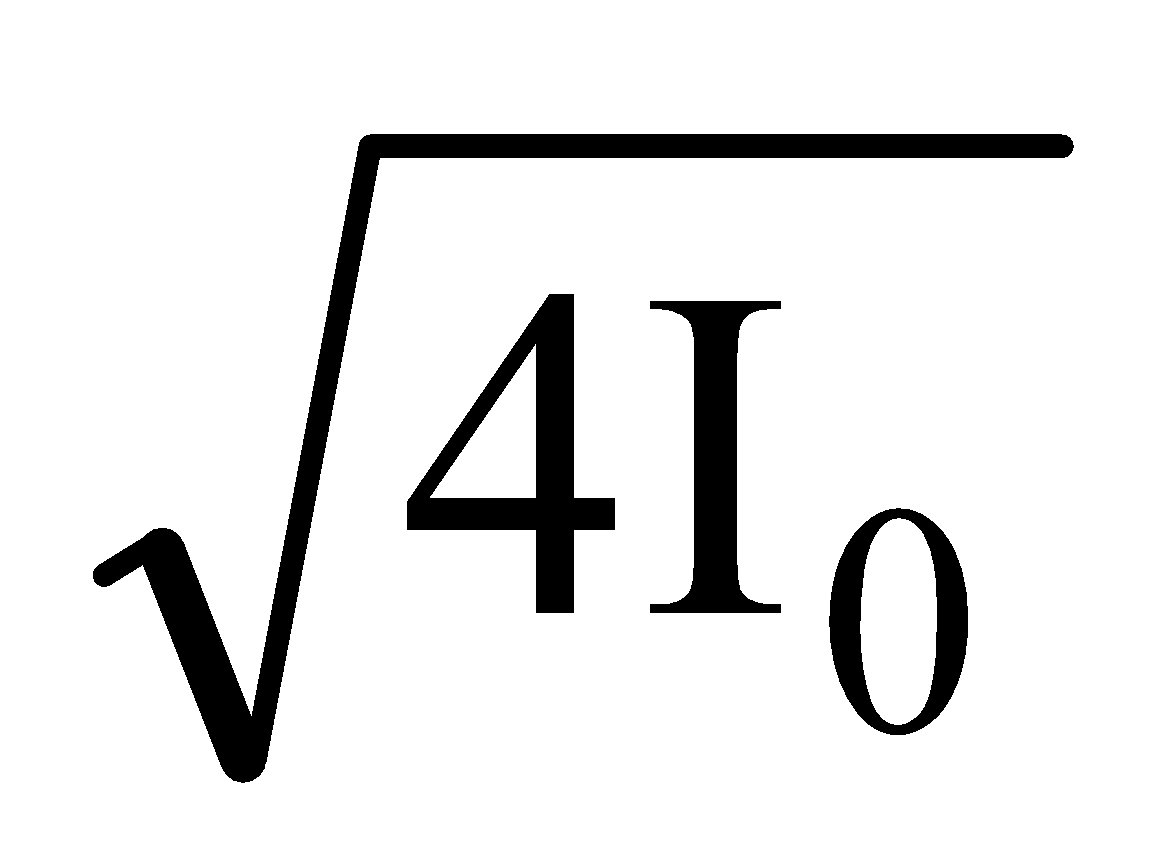 cos
cos 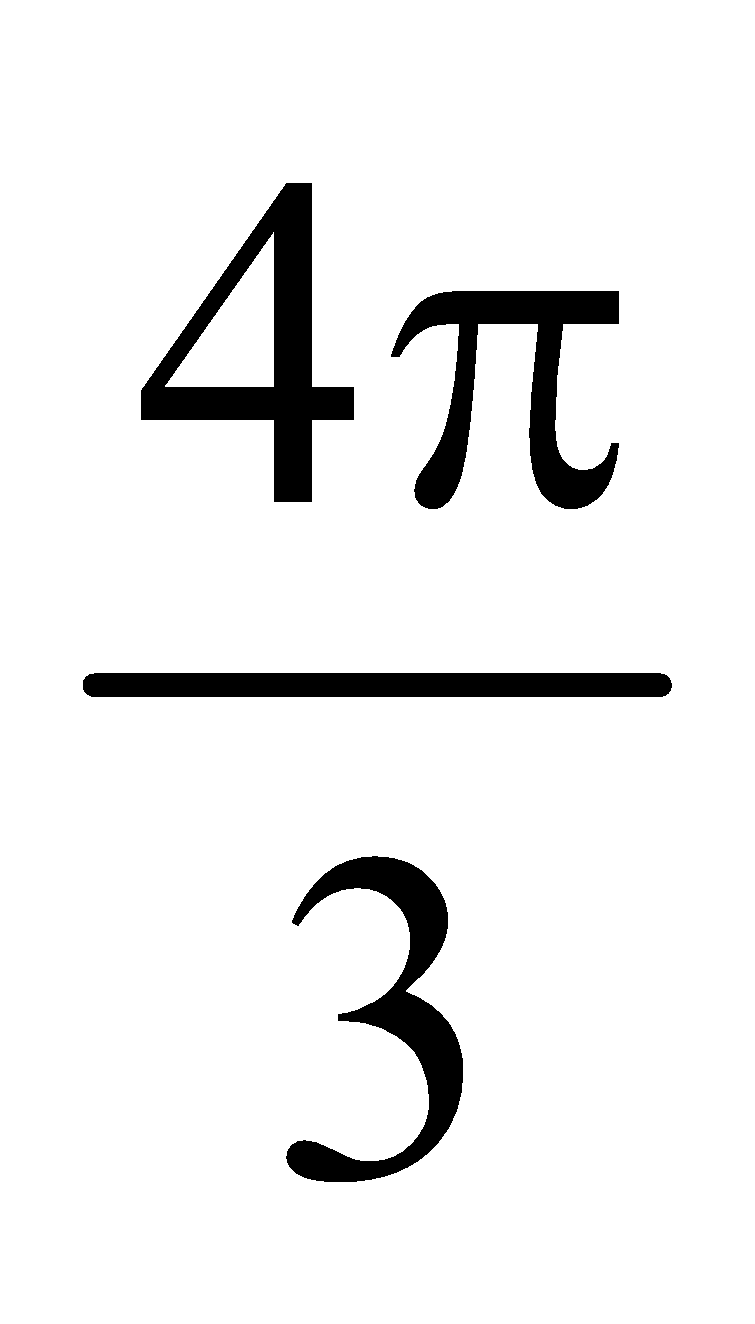
= 5I 0 + 4I 0 cos 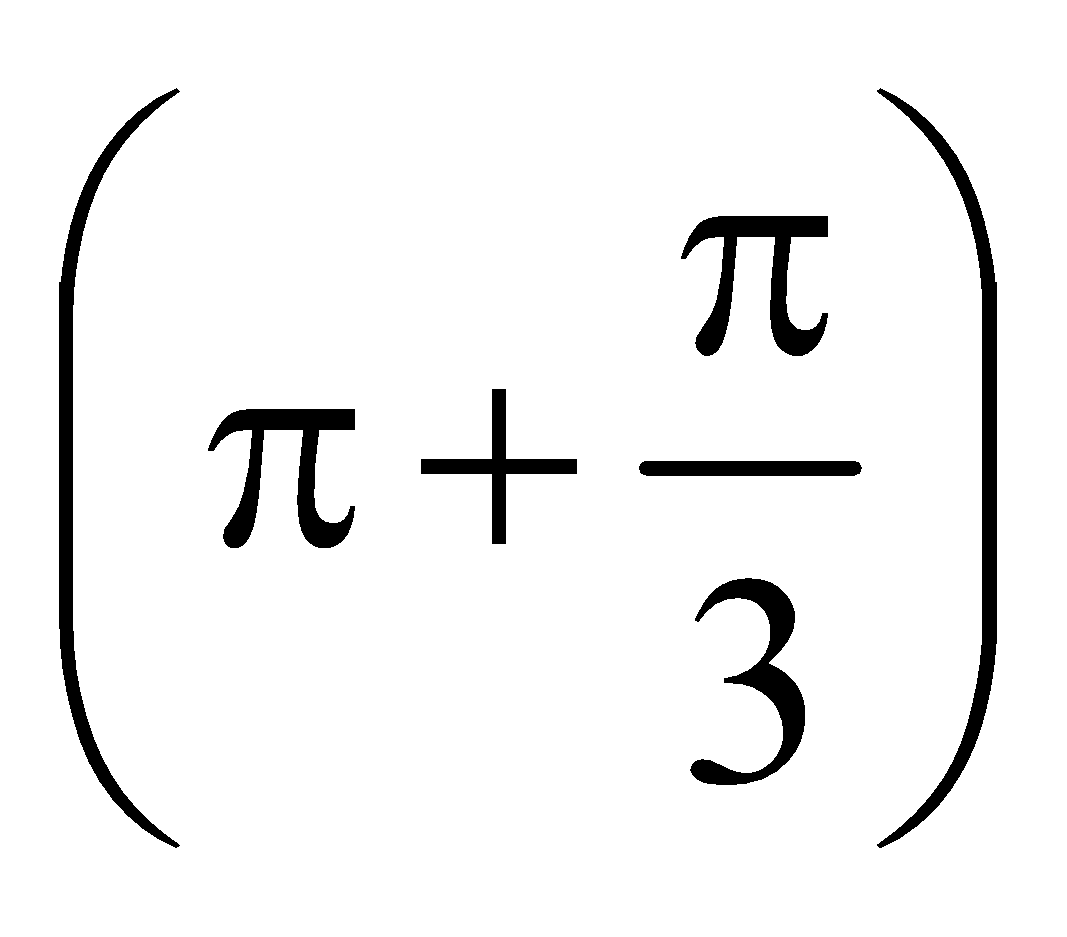 = 3I 0
For brightest fringe, phase difference = 2n π , n = 0, ±1, ±2, …
Let I′′ be the intensity of brightest fringe.
I′′ = I 0 + 4I 0 + 2 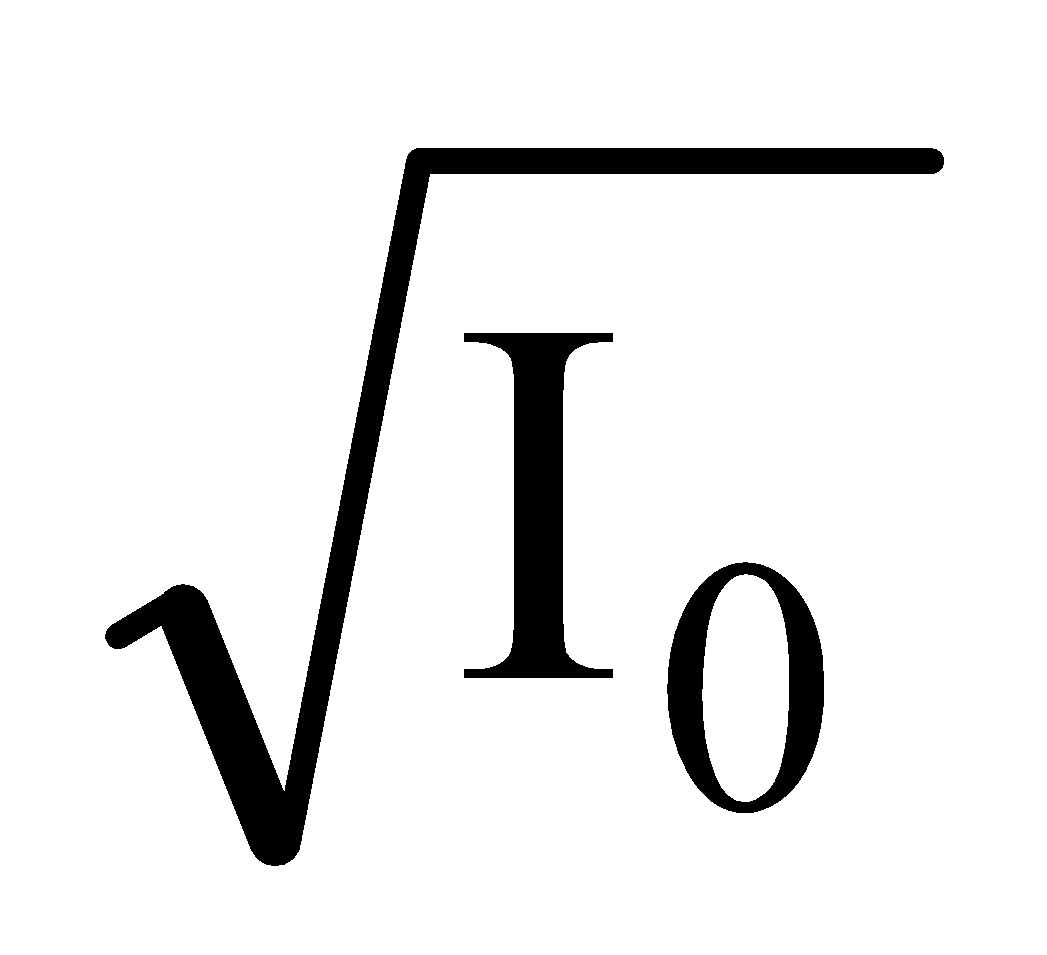
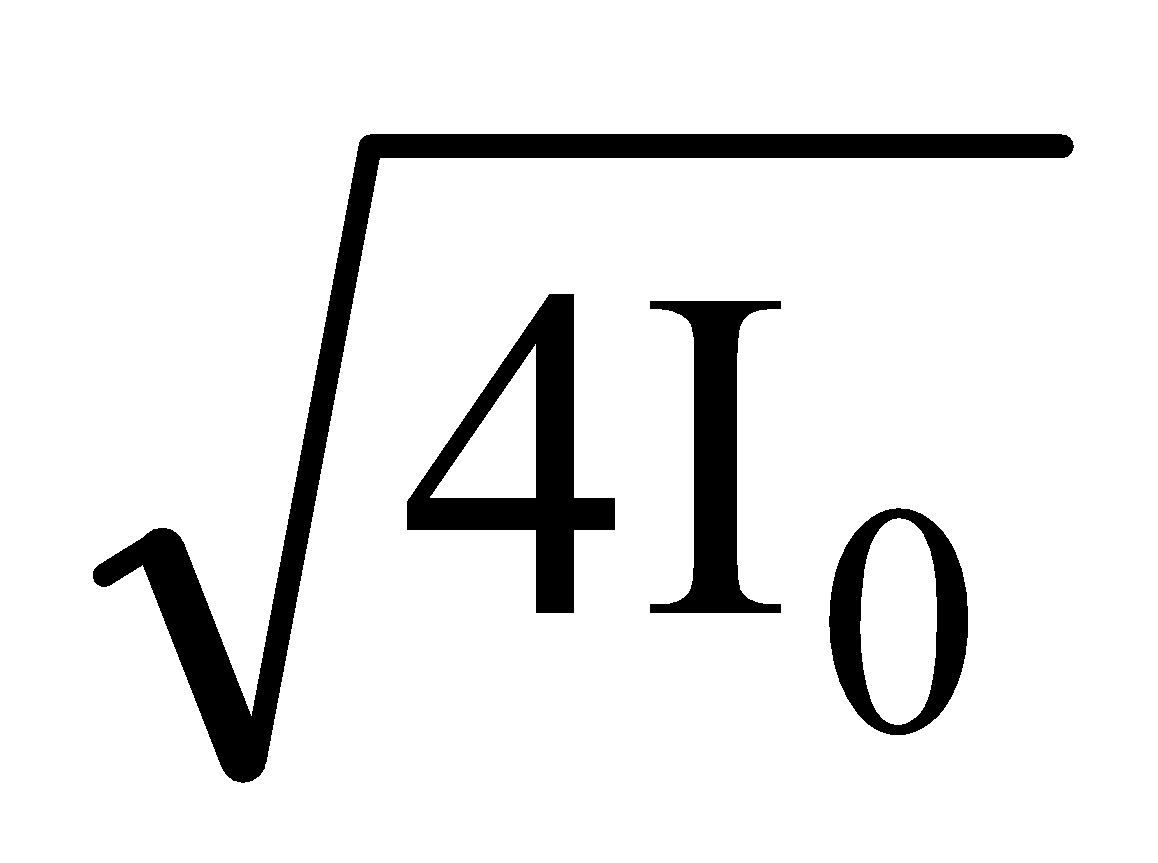 cos φ (where cos φ = 1)
= 9I 0 .
Prepare Smarter with CGP Edu
Get practice questions, solutions, and test series in one place.
Write a Review
Share your experience with this question and solution.
Commentary
Send your comment, doubt, correction, or feedback to admin.
Similar Questions
Explore conceptually related problems